When your septic system develops a problem, time matters. A small issue — a cracked baffle, a clogged effluent filter, a broken distribution box — can escalate into a major failure if left unaddressed. LilyPad Septic provides professional septic tank repair services throughout Central Kansas, including Salina, Hutchinson, McPherson, Abilene, Newton, and surrounding communities. We diagnose problems accurately and fix them correctly the first time.
Many septic repairs are more affordable than homeowners expect, especially when caught early. The key is not to ignore warning signs or delay calling a professional when something seems off. Our experienced technicians have repaired every type of septic component and system configuration found in Central Kansas, and we bring that expertise to every service call.
Common Septic System Problems We Repair
Septic system problems fall into several categories. Some are simple fixes that can be done in a single visit. Others require more extensive work. Here is an overview of the most common repair issues we see in Central Kansas:
Damaged or Missing Baffles
Baffles are tee-shaped components inside your septic tank that control the flow of wastewater. The inlet baffle prevents incoming waste from disturbing the settled solids. The outlet baffle prevents scum and solids from flowing into the drain field. Concrete baffles in older tanks can crack and deteriorate. Plastic baffles can become dislodged or broken. When baffles fail, solids escape into the drain field, causing rapid and expensive damage. Baffle repair or replacement is one of the most common and important septic repairs we perform.
Clogged Effluent Filter
Many modern septic systems include an effluent filter at the outlet baffle that catches solids before they can exit the tank. This filter needs to be cleaned periodically — typically every 1 to 3 years depending on usage. When a filter becomes clogged, effluent cannot exit the tank, causing backups inside your home. Cleaning or replacing an effluent filter is a quick, affordable repair that prevents serious downstream problems.
Cracked or Damaged Tank
Septic tanks — especially older concrete tanks — can develop cracks due to soil movement, root intrusion, vehicle traffic overhead, or simply age. A cracked tank allows groundwater to infiltrate (diluting your system’s treatment capacity) or allows untreated sewage to leach into the surrounding soil (creating an environmental and health hazard). Cracks can sometimes be sealed with appropriate materials. Severely damaged tanks may need to be replaced.
Broken or Crushed Inlet/Outlet Pipes
The pipes that connect your home to the septic tank, and the tank to the drain field, can be damaged by root intrusion, soil settling, vehicle traffic, or improper installation. Broken or crushed pipes prevent proper wastewater flow and can cause backups or bypass the treatment process entirely. We excavate and replace damaged pipe sections using durable modern materials.
Failed Septic Pump
Systems with pump chambers — including pressure distribution systems, mound systems, and aerobic treatment units — rely on effluent pumps to move wastewater to the drain field or treatment unit. When a pump fails, the system stops functioning. Float switches can malfunction, pump motors can burn out, and wiring can fail. We diagnose and replace failed pumps and related components to restore your system to proper operation.
Distribution Box Problems
The distribution box (D-box) is a small concrete or plastic box that receives effluent from the tank and distributes it evenly among the drain field trenches. D-boxes can crack, fill with solids, or become tilted. When a D-box is not level, all the effluent flows to the lowest outlet, overloading one section of the drain field while the others receive nothing. We inspect, clean, level, and replace distribution boxes as needed.
Drain Field Issues
The drain field is the most expensive component of your septic system to repair or replace, so we always try to identify and address problems before they reach the point of field failure. Early intervention — correcting uneven distribution, repairing damaged pipes, reducing hydraulic overload — can sometimes extend a struggling drain field’s life significantly. We will be honest with you about whether a drain field can be rehabilitated or whether it needs to be replaced.
Riser and Lid Repairs
Access risers and lids that are cracked, broken, or improperly sealed allow surface water, insects, and animals to enter your tank — and allow odors and gases to escape. We repair or replace damaged risers and install properly sealed, watertight lids to protect your system and your family.
Our Repair Process
When you call LilyPad Septic with a septic problem, here is what happens:
Assessment and Diagnosis
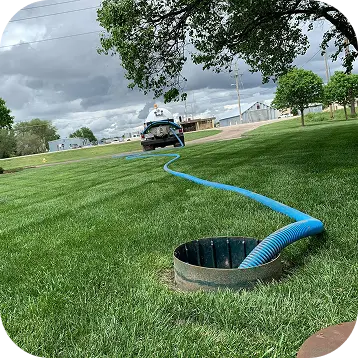
We start by listening to your description of the problem and then conducting a thorough inspection of your system. In many cases, we pump the tank first so we can get a clear view of the interior components. We check all accessible components and assess the drain field area. Our goal is to identify the root cause of the problem — not just treat the symptom.
Honest Repair Recommendation
After the assessment, we explain what we found in plain language and provide a clear repair recommendation with transparent pricing. We never recommend repairs that are not necessary. If your system is failing in a way that cannot be cost-effectively repaired, we will tell you that honestly and help you understand your replacement options.
Repair Execution
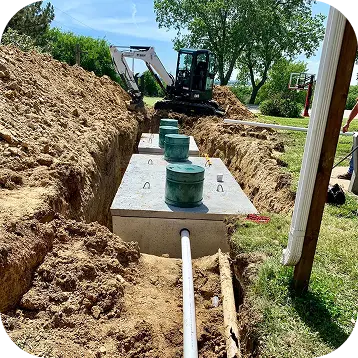
Once you approve the repair plan, we proceed with the work. Most common repairs — baffle replacement, filter cleaning, pump replacement, pipe repair — can be completed in a single visit. More complex repairs requiring excavation may take longer. We work efficiently to restore your system as quickly as possible.
Post-Repair Verification
After completing the repair, we verify that the system is functioning correctly before leaving your property. We document the work performed and provide you with a service report. We also advise you on what to watch for going forward and when to schedule your next routine service.
Emergency Septic Repair in Central Kansas
Septic emergencies do not follow business hours. If you are experiencing sewage backup into your home, sewage surfacing in your yard, or complete system failure, LilyPad Septic offers emergency response for Central Kansas homeowners. Call us right away — sewage backup is a health hazard and can cause serious damage to your home the longer it goes unaddressed.
Common emergency situations include:
- Raw sewage backing up through toilets or floor drains
- Complete blockage of household drains
- Sewage visible on the surface of the yard
- Alarms sounding on aerobic treatment units or pump stations
- Sudden failure of a septic pump in a system that has no gravity backup
Do not wait and hope the problem resolves itself — septic emergencies always get worse, not better, without intervention.
How to Avoid Costly Septic Repairs
The best septic repair is the one you never need. Regular maintenance — primarily routine pumping every 3 to 5 years and annual or biennial inspections — catches developing problems before they become emergencies. LilyPad Septic recommends the following practices to protect your system:
- Pump your tank on schedule — do not wait until problems develop
- Have your system inspected every 3 to 5 years (or more frequently for older systems)
- Never flush non-biodegradable materials (wipes, feminine products, medications)
- Avoid pouring grease, chemicals, or harsh cleaners down drains
- Protect the drain field — do not drive vehicles over it or plant trees nearby
- Repair leaky faucets and running toilets promptly to reduce hydraulic load
- Spread out high-water-use activities (laundry, dishwasher) throughout the week
Frequently Asked Questions: Septic Tank Repair
How do I know if my septic tank needs repair?
Warning signs include slow drains, gurgling sounds, sewage odors inside or outside, wet spots over the drain field, lush grass above the drain field, and sewage backup. Any of these symptoms warrants a prompt inspection.
Can a damaged concrete septic tank be repaired?
Minor cracks in concrete tanks can sometimes be sealed with appropriate hydraulic cement or epoxy products. More extensive structural damage may make repair impractical, in which case replacement is the more cost-effective solution. Our technicians will assess the condition honestly and give you both options when applicable.
How long does a typical septic repair take?
Simple repairs like baffle replacement, filter cleaning, or pump replacement typically take a few hours and are done in one visit. Repairs requiring excavation (broken pipes, drain field work) may take one to two days or more depending on the scope.
Is septic repair covered by homeowners insurance?
Standard homeowners insurance policies typically do not cover septic system failure caused by wear and tear, lack of maintenance, or age. Some policies may cover sudden and accidental damage. We recommend checking your policy and, if you are a first-time septic owner, considering supplemental septic system coverage.
Why Choose LilyPad Septic for Repairs?
LilyPad Septic’s repair team brings the same commitment to quality and honesty that defines all of our services. We diagnose accurately, recommend only necessary repairs, price transparently, and execute the work with skill and care. Our technicians are licensed, our equipment is professional-grade, and our track record in Central Kansas speaks for itself.
When your septic system has a problem, you need a company you can trust to tell you the truth and fix it right. That is exactly what LilyPad Septic delivers — every time.
Contact Us for Septic Repair in Central Kansas
Do not let a small septic problem become a big one. Call LilyPad Septic or fill out our online form to schedule a septic repair assessment. We respond quickly and serve all of Central Kansas. LilyPad Septic — We’ll Be There in a Splash!