Your septic system is a significant investment — one that protects your home, your family’s health, and your property value. Like any major system in your home, it requires regular, proactive maintenance to perform at its best and last as long as possible. LilyPad Septic provides comprehensive septic system maintenance services throughout Central Kansas, serving homeowners in Salina, Hutchinson, McPherson, Newton, Abilene, and the surrounding region.
The good news about septic maintenance is that it is not complicated or expensive when done on a consistent schedule. The vast majority of costly septic repairs and replacements are the direct result of neglected maintenance — tanks that went too long between pumpings, small problems that were never caught during inspections, or drain fields that failed because the tank was overloaded with solids. Routine maintenance prevents all of these outcomes.
The Core Components of Septic System Maintenance
A complete septic maintenance program includes several interrelated activities, each playing an important role in keeping your system healthy:
Regular Septic Tank Pumping
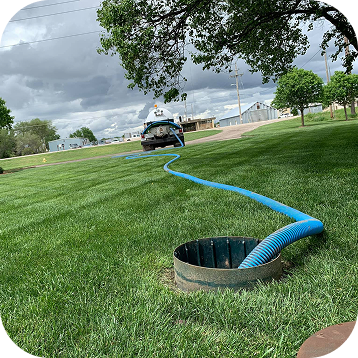
Pumping is the foundation of all septic maintenance. As your household uses water, solids accumulate in the tank — heavy sludge settles at the bottom while lighter scum floats to the top. Between these layers is the liquid effluent that exits to the drain field. When sludge and scum layers grow too thick, they leave insufficient room for effluent to settle before it exits the tank, allowing solids to reach the drain field and cause damage.
The EPA recommends pumping every 3 to 5 years for a standard residential household. LilyPad Septic measures sludge and scum depths at every service call, allowing us to give you a precise, data-driven recommendation for your specific system and household size — rather than simply defaulting to the standard 3-year interval that may not be right for your situation.
Professional System Inspections
A pump-out is the perfect time for a thorough inspection. With the tank empty, our technicians can examine the interior walls for cracks, evaluate baffle condition, check inlet and outlet pipes, look for root intrusion, and assess overall tank integrity. We also evaluate the drain field area for surface signs of stress or failure, and inspect any pumps, controls, or distribution components that are part of your system.
For households on a 3- to 5-year pumping schedule, this annual-to-biennial inspection cadence catches problems at an early, repairable stage before they become system-threatening emergencies.
Effluent Filter Maintenance
If your system includes an effluent filter at the outlet baffle — common in systems installed after the mid-1990s — that filter needs to be cleaned periodically to prevent it from becoming clogged. A clogged effluent filter causes sewage to back up into your home. LilyPad Septic inspects and cleans effluent filters during routine service visits, ensuring this critical component is never overlooked.
Pump and Control System Checks
For systems that include a pump — pressure distribution systems, mound systems, aerobic treatment units, or pump stations — the pump motor, float switches, and control panels must be periodically inspected and tested. A failed pump that goes unnoticed can cause rapid system failure. We test all mechanical components during maintenance visits and replace worn or failing parts before they cause a system shutdown.
Distribution System Inspection
Distribution boxes, pressure manifolds, and drain field distribution pipes distribute effluent evenly throughout your leach field. Uneven distribution causes some sections of the field to become overloaded while others sit idle, drastically shortening drain field life. We inspect and clean distribution components during maintenance visits to ensure your field receives uniform loading.
What Homeowners Can Do Between Service Visits
Professional maintenance visits are essential, but homeowners play an equally important role in keeping their septic systems healthy between service calls. Here are the most impactful things you can do:
Be Mindful of What Goes Down the Drain
Your septic tank relies on a living ecosystem of bacteria to break down organic waste. Certain substances kill these bacteria or introduce materials that the system cannot handle:
- Never flush “flushable” wipes, paper towels, cotton balls, or feminine hygiene products — despite marketing claims, these do not break down in septic tanks
- Avoid pouring cooking grease or oil down drains — it solidifies in the tank and accelerates scum layer buildup
- Do not pour bleach, antibacterial soaps, or chemical drain cleaners in large quantities — these can kill beneficial bacteria
- Never dispose of medications, pesticides, paint, or solvents through your drains or toilets
- Minimize or eliminate garbage disposal use — food waste adds significantly to sludge accumulation
Manage Water Usage Wisely
Your septic system is designed to handle a specific daily volume of wastewater based on your household size and tank capacity. Consistently exceeding this volume prevents proper treatment and can push solids into the drain field before they settle. Practices that help manage water volume include:
- Spreading laundry loads throughout the week rather than doing multiple loads in a single day
- Installing water-efficient fixtures and appliances (low-flow toilets, efficient dishwashers)
- Repairing leaky faucets and running toilets promptly — a running toilet can add 200 gallons per day to your system’s load
- Avoiding excessive water use during rainy periods when the drain field may already be moisture-saturated
Protect the Drain Field
The drain field is the most expensive and vulnerable component of your septic system. Protect it by:
- Never driving vehicles, parking, or placing heavy objects over the drain field area — soil compaction crushes drain pipes and reduces permeability
- Keeping trees and deep-rooted shrubs at least 30 to 50 feet away from the drain field — roots seek moisture and will infiltrate and damage drain lines
- Diverting roof drains, sump pump discharge, and surface water runoff away from the drain field — excess water saturates the soil and prevents proper effluent absorption
- Never covering the drain field with impermeable surfaces like patios, decks, or asphalt
Know Where Your System Is Located
Keep a record — ideally a drawing or map — of where your septic tank, access lids, and drain field are located on your property. This information is critical for service visits, emergency situations, and home sales. If you do not have this information, LilyPad Septic can help you locate your system components during a service visit.
LilyPad Septic Maintenance Agreements
For homeowners who want the peace of mind of consistent, professionally managed septic maintenance, LilyPad Septic offers maintenance agreements that take all the guesswork out of your septic care. Our maintenance agreements provide:
- Scheduled pumping on the interval appropriate for your system and household
- Priority scheduling — agreement customers go to the front of the line
- Discounted service rates on both scheduled and unscheduled visits
- Documented service history maintained for your records
- Proactive inspection and filter maintenance at every visit
- Peace of mind that your system is being professionally monitored and cared for
A maintenance agreement is particularly valuable for households that may not naturally remember to schedule septic service on a consistent basis, or for property managers and landlords responsible for multiple properties with septic systems.
Seasonal Septic Maintenance Considerations in Kansas
Central Kansas experiences a full range of seasonal conditions that can affect your septic system. Understanding how the seasons impact your system helps you stay proactive:
Spring
Spring rains and snowmelt can saturate the soil around your drain field, temporarily reducing its ability to absorb effluent. Minimize water usage during extended wet periods. Spring is also an excellent time to schedule a pumping if you are approaching your service interval, as technicians have easier access to the tank before the summer busy season.
Summer
Summer is peak season for septic service across Central Kansas. If possible, schedule your routine pumping in spring or fall to avoid the busiest scheduling periods. Summer dry conditions can actually benefit drain fields by allowing full absorption capacity to be restored.
Fall
Fall is an excellent time to pump and inspect your system before winter ground freezing makes access more difficult. Addressing any identified issues in fall gives you the warm-weather window needed to complete repairs before the ground freezes.
Winter
Properly functioning septic systems rarely freeze because household water use generates enough heat to keep temperatures above freezing at normal depths. However, a system that is infrequently used — such as a vacation property — or a system with a long, shallow pipe run can be vulnerable to freezing. LilyPad Septic can advise on winterization steps for vulnerable systems.
Frequently Asked Questions: Septic System Maintenance
How do I know when my septic tank needs to be pumped?
The most reliable way is to pump on a consistent schedule (every 3 to 5 years) rather than waiting for symptoms to appear. Symptoms of an overfull tank — slow drains, odors, wet spots over the drain field — indicate the problem has already progressed. Regular scheduled pumping prevents these symptoms from ever occurring.
Is it okay to skip a year on my pumping schedule if everything seems fine?
We strongly advise against skipping scheduled service based on the absence of symptoms. Septic systems often show no outward signs of distress until they are in serious trouble. By the time you notice symptoms, the system may have already suffered significant damage. Consistent maintenance is always less expensive than reactive repair.
Should I add septic tank additives to help with maintenance?
The EPA and most septic professionals do not recommend commercial septic additives. A healthy, properly maintained tank already contains the bacterial ecosystem it needs. Some additives can actually harm your system by introducing chemicals that interfere with the natural treatment process or that break down solids too rapidly, causing them to exit to the drain field before fully treated.
Why Choose LilyPad Septic for Maintenance?
LilyPad Septic is Central Kansas’s trusted septic maintenance partner. Our team is licensed, experienced, and committed to honest, thorough service. We document every service visit, measure sludge and scum levels accurately, inspect all accessible components, and give you a clear picture of your system’s health after every call.
We are a local company — our team members live and work in the communities we serve. When you choose LilyPad Septic for your maintenance program, you are supporting a local business that is invested in your community’s health and wellbeing.
Schedule Your Septic Maintenance Visit Today
Do not wait for a problem to develop. Contact LilyPad Septic today to schedule a routine maintenance visit or to ask about our maintenance agreement program. We serve all of Central Kansas and are ready to help you protect your septic system investment.
Call us or fill out our online form. LilyPad Septic — We’ll Be There in a Splash!