Septic System Services
A septic unit works by separation and calm time. When solids stay in the tank, the drainfield stays healthier. When solids escape, the biomat thickens, and trenches struggle. You might notice soggy patches, bright green stripes, or slow-draining areas that keep recurring. Those are system clues, not random annoyances.
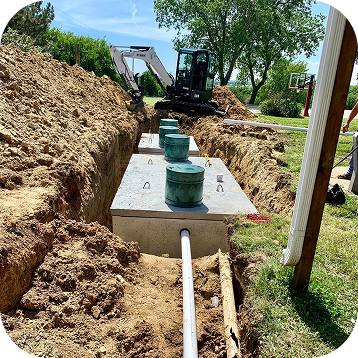
We check risers, seals, and lid integrity to prevent groundwater inflow. Our techs inspect baffles, confirm the filter is seated, and look for corrosion or cracks. If we suspect drainfield stress, we review loading patterns and surface conditions. When repairs fit, we handle broken tees, compromised seals, and damaged lines.
Septic Pumping & Maintenance
Pumping is not a “nice to have.” It is how you protect the outlet and the drainfield. As sludge rises, the tank’s working volume decreases. The scum layer can also thicken and push solids toward the outlet. Skipping service increases the chance of a backup.
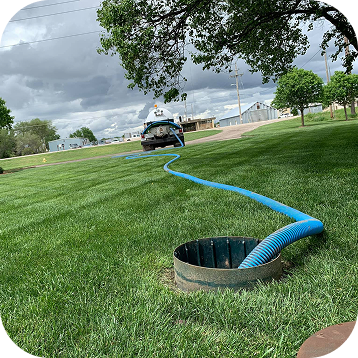
During pumping, we use a vacuum truck, hoses, and controlled agitation to remove settled solids. We verify the baffle condition and check for cracks, joint separations, and signs of infiltration. For pump chambers, we test the float switch and confirm the high-water alarm works. If we see a problem, we explain the part and the risk. Our goal stays simple: keep solids where they belong.
Residential Plumbing Services
Your plumbing moves clean water in, then carries wastewater out through drains and vents. Mineral buildup can narrow older lines. A loose trap can leak under a sink. A worn shut-off valve can drip for months.
We handle drain cleaning, leak detection, and focused pipe repair. When a clog resists an auger, we may use hydro jetting if the pipe material allows it. We also use camera inspection to confirm breaks, bellies, and heavy buildup. Our notes stay specific, so you know what we saw.
Because indoor drains feed the tank, overlap is common. A kitchen clog may be grease, yet a full tank can worsen it the same day. We coordinate plumbing services with septic services, then test multiple fixtures for normal flow. You get one fix, not a loop of callbacks.