If you operate a restaurant, commercial kitchen, food truck, cafeteria, or any food service establishment in Central Kansas, your grease trap is one of the most important — and most regulated — components of your operation. LilyPad Septic provides professional grease trap cleaning and pumping services throughout Salina, Hutchinson, McPherson, Newton, Abilene, and the surrounding region.
Grease traps intercept fats, oils, and grease (FOG) before they enter the municipal sewer system or your private septic system. Without a properly maintained grease trap, FOG accumulates in drain lines and sewer infrastructure, causing blockages that lead to costly backups, health code violations, and potential fines. Regular grease trap maintenance is not optional — it is required by most municipalities and health departments, and for good reason.
What Is a Grease Trap and How Does It Work?
A grease trap (also called a grease interceptor) is a plumbing device installed in the drain line of commercial kitchen sinks, dishwashers, and floor drains. Its purpose is to slow the flow of warm, greasy wastewater so that fats, oils, and grease can cool, solidify, and separate from the water before it exits to the drain system.
Inside the trap, a baffle system holds back the FOG layer at the top and a sludge layer at the bottom while allowing relatively clean water to flow through the middle and exit to the sewer. Over time, both layers grow until they must be removed through pumping — at which point the trap is serviced, cleaned, and restored to proper function.
Grease traps come in several sizes and configurations:
- Passive hydromechanical grease interceptors (HGIs): Smaller, indoor units typically installed under sinks. Common in smaller food service operations.
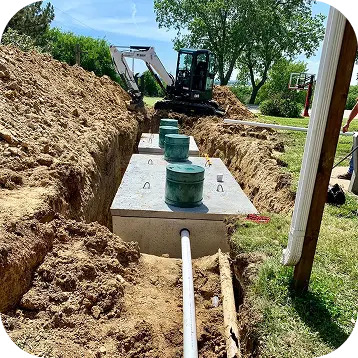
- Gravity grease interceptors (GGIs): Large, outdoor, in-ground units that serve larger commercial kitchens. These hold hundreds to thousands of gallons and are serviced on a less frequent schedule than indoor traps.
- Automatic grease removal units (AGRUs): Electrically powered units that continuously remove FOG from the trap.
Why Regular Grease Trap Cleaning Is Essential
Neglecting your grease trap is one of the most expensive mistakes a food service operator can make. Here is what happens when grease traps are not serviced on schedule:
Drain Line Blockages and Backups
When a grease trap overflows because it is too full, FOG bypasses the trap and enters the drain line. Grease solidifies on the interior walls of the pipe, progressively narrowing the drain until it blocks entirely. A sewage backup in a commercial kitchen is a health emergency and forces a shutdown until remediated.
Sewer System Damage and Fines
FOG that reaches the municipal sewer system contributes to “fatbergs” — massive accumulations of solidified grease and non-flushable materials that block city sewer mains. Municipalities take this problem seriously, and establishments found allowing FOG to bypass their interceptors can face significant fines and mandatory operational shutdowns.
Health Code Violations
Health department inspectors check grease trap maintenance records. Failure to demonstrate regular service can result in violations, citations, and mandatory corrective action — none of which you want discovered during a routine inspection.
Odors That Affect Business
A full or infrequently serviced grease trap produces hydrogen sulfide gas — the same compound responsible for the “rotten egg” smell associated with sewage. These odors can permeate a kitchen, dining room, and even surrounding outdoor areas, creating an unpleasant experience for staff and customers.
Septic System Damage
For establishments served by private septic systems rather than municipal sewer, FOG bypass is even more damaging. Grease entering a septic tank kills the beneficial bacteria needed for waste treatment and coats the tank walls and drain field, causing premature failure of the entire system.
How Often Should a Grease Trap Be Cleaned?
Grease trap cleaning frequency depends on the size of the trap, the volume of FOG-producing cooking in your kitchen, and local regulations. The “25% rule” is a widely used industry standard: a grease trap should be cleaned when the combined depth of the FOG and sludge layers reaches 25% of the trap’s total liquid depth. In practice, most commercial kitchen grease traps require cleaning every 1 to 3 months.
Large outdoor gravity interceptors are typically serviced every 3 to 12 months depending on use. LilyPad Septic can evaluate your specific trap and operation and recommend the appropriate service frequency for your establishment.
Many municipalities require grease trap service to be performed by a licensed hauler and documented with service manifests. LilyPad Septic provides compliant service documentation for every service visit to support your regulatory record-keeping requirements.
Our Grease Trap Cleaning Process
LilyPad Septic performs professional grease trap cleaning with the equipment and expertise to handle traps of all sizes. Here is what our service includes:
Full Removal of FOG and Sludge
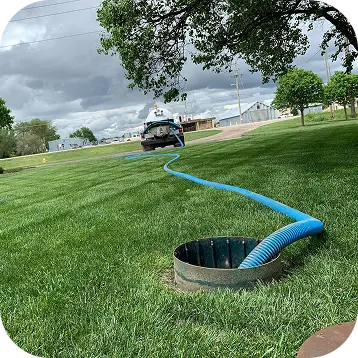
We completely empty the trap of accumulated FOG, sludge, and wastewater using our vacuum truck. We do not partially pump and refill — we remove all waste to restore the trap to its full operational capacity.
Scraping and Cleaning of Interior Surfaces
After pumping, we scrape and clean the interior walls, lid, and baffle surfaces to remove the residual grease film that adheres even after pumping. Thorough cleaning prevents odors and ensures that the FOG layer and sludge layer measurements are accurate for tracking purposes.
Baffle and Component Inspection
We inspect the baffles, inlet and outlet connections, and overall trap condition. Damaged baffles allow FOG to bypass the trap entirely, defeating its purpose. We identify any component issues and advise on repairs or replacements needed.
Waste Disposal
All removed waste is transported and disposed of in compliance with Kansas and EPA regulations. We never illegally dump FOG waste — it is transported to licensed disposal facilities.
Service Documentation
We provide a service manifest for every cleaning that documents the date, volume removed, trap condition, and technician information. This documentation supports your compliance records for health department and municipal inspections.
Grease Trap Service for All Types of Food Service Establishments
LilyPad Septic services grease traps for all types of food service operations in Central Kansas, including:
- Full-service restaurants and bars
- Fast food and quick-service establishments
- School and university cafeterias
- Hospital and healthcare facility kitchens
- Hotel and resort kitchens
- Catering facilities and event venues
- Grocery store delis and bakeries
- Food manufacturing and processing facilities
- Church and community organization kitchens
Whether you have a small under-sink trap or a large outdoor interceptor holding several thousand gallons, our equipment and team are sized to handle it.
Indoor vs. Outdoor Grease Trap Service
Indoor Grease Interceptors
Indoor units are typically smaller (10 to 100 gallons) and require more frequent service — often weekly to monthly. Because they are located inside the building, service must be coordinated to minimize disruption to kitchen operations. LilyPad Septic can schedule service during off-hours to accommodate your operational schedule.
Outdoor Gravity Interceptors
Large outdoor interceptors are buried in the ground near the facility and require specialized vacuum truck equipment to service. These units are pumped and cleaned on a longer service interval, typically quarterly to annually. Our vacuum trucks are fully equipped to handle large-volume outdoor interceptors.
Frequently Asked Questions: Grease Trap Services
Do I need a grease trap if I am on a private septic system?
Yes. A grease trap is even more important for establishments on private septic systems than for those on municipal sewer. FOG entering a septic system causes serious damage that can require complete system replacement — a cost far greater than routine grease trap maintenance.
How do I know if my grease trap needs service?
Signs of a grease trap that needs service include slow-draining kitchen sinks, sewage-like odors in the kitchen or nearby drains, and visible grease overflow from floor drains. Do not wait for these symptoms — proactive service on a set schedule prevents them from occurring.
What should go into a grease trap service record?
Service records should document the date of service, the company performing service, the volume of waste removed, a condition assessment of the trap, and the disposal facility used. LilyPad Septic provides all of this information in our service manifests.
Can I clean my grease trap myself?
Small indoor traps can be manually cleaned by removing the lid and scooping out the accumulated waste, though proper disposal remains a regulatory requirement. Large outdoor interceptors require professional vacuum equipment and cannot be safely or effectively serviced without it. In most jurisdictions, service records from a licensed hauler are required regardless of trap size.
Why Choose LilyPad Septic for Grease Trap Service?
LilyPad Septic brings professional equipment, regulatory compliance expertise, and a commitment to reliable scheduling to every grease trap service call. We understand that your kitchen cannot operate if your drains are backing up — which is why we prioritize responsive scheduling and efficient service that gets you back to full operation as quickly as possible.
We serve food service establishments of all sizes throughout Central Kansas and take pride in the same honest, thorough service that has made us the trusted septic provider for homeowners across the region.
Schedule Your Grease Trap Service Today
Do not wait for a backup or a health inspection to discover that your grease trap is overdue for service. Contact LilyPad Septic today to schedule grease trap cleaning and pumping for your Salina, Hutchinson, McPherson, Newton, or Abilene establishment. We respond quickly and will work with your schedule to minimize operational disruption.
Call us or fill out our online form. LilyPad Septic — We’ll Be There in a Splash!